Hot water PenrithBlocked drainBathroom renovationGas fittingSt Marys
Service · Plant & equipment installs
Shutdown coming up? Ring the workshop
Plant and equipment, installed to spec.
New plant connections, equipment relocations, line extensions, pre-commissioning and tie-ins. We work to manufacturing engineering specifications and your shutdown schedule, across copper, stainless steel, PVC, HDPE, PE, PEX and aluminium. SWMS supplied, certs of currency on file, lock-out tag-out as standard.
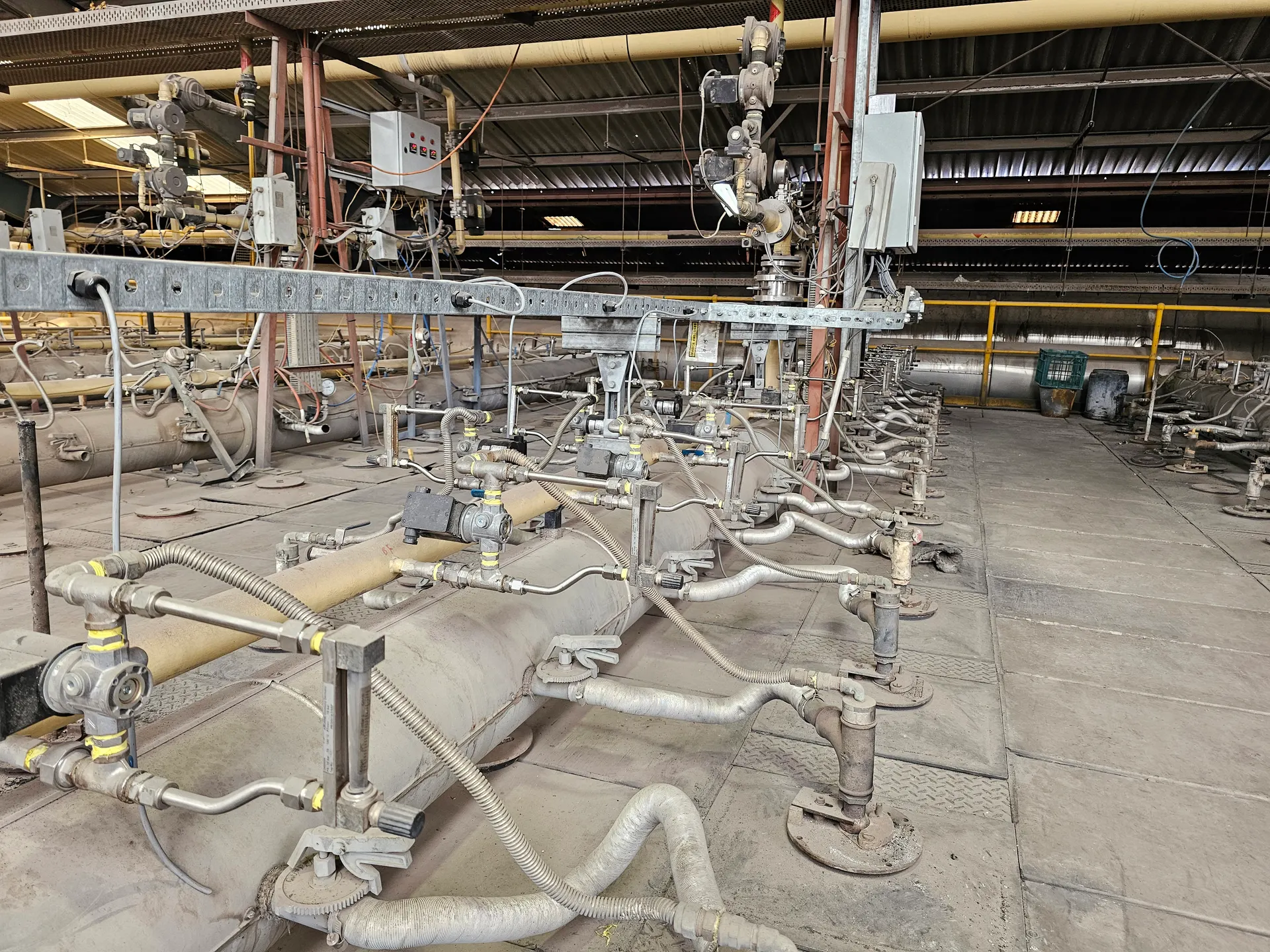
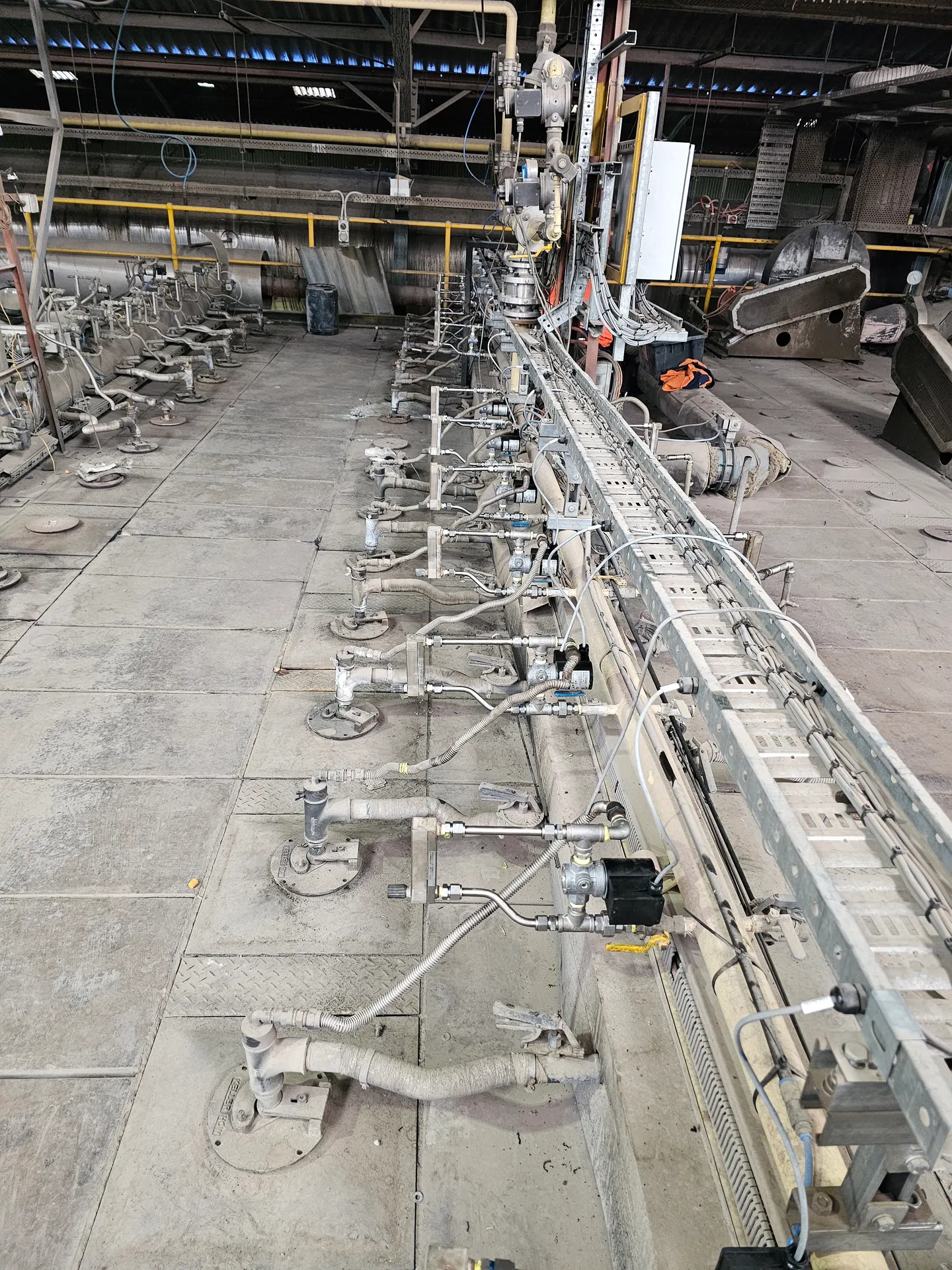
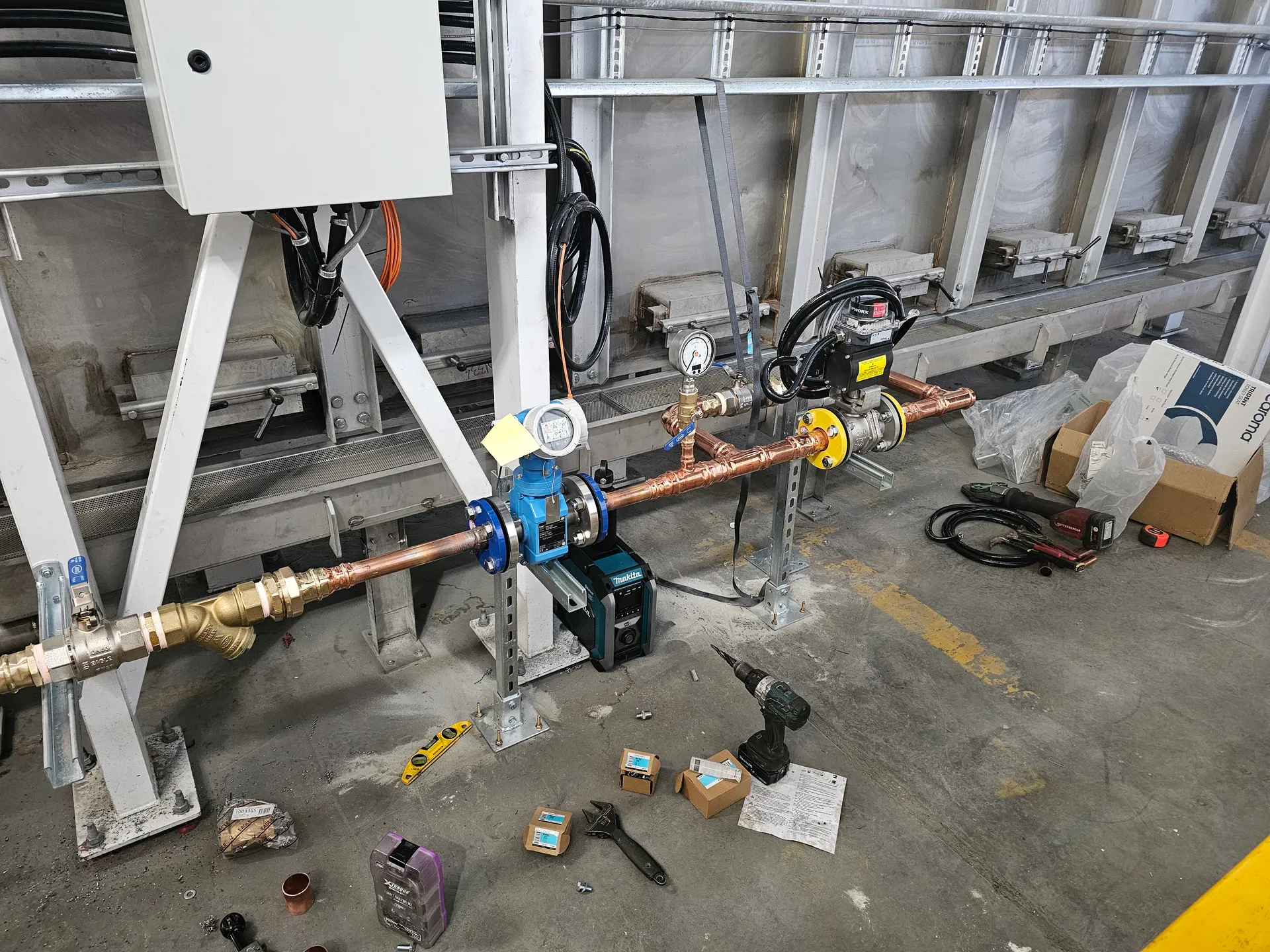
Industrial process pipework on a live plantPlant equipment pipe racks and supportsCopper plant-room pipework
§02 / Why you’re on this page
Four scenarios, one discipline.
Industrial plant work lives or dies on program. The four jobs below cover most of what crosses Peter’s desk from manufacturing clients. The discipline behind all of them is the same: drawings first, SWMS lodged, isolations agreed, then on the tools.
Scenario 01
New plant on the floor.
Engineering’s signed off, the equipment is on the slab, and you need the services run in before commissioning week. Drawings supplied, isolation points agreed, on-site for the install.
Typical scope
New feed lines, isolation valves, gauges, instrumentation tappings, pressure test and certify before energise.
Scenario 02
Relocation in a shutdown.
Limited window, multiple services to disconnect and re-pipe to the new location. Strip-out has to be clean, the new run pre-fabricated, and the recommission paperwork ready for handover.
Typical scope
Strip-out, re-route, re-pipe to new position, recommission with pressure test certificate.
Scenario 03
Process line extension.
Adding a new piece of equipment to an existing run without dropping production. Branch take-off, isolation, extend to the new connection, test, hand over. Live-plant discipline the whole way.
Typical scope
Branch take-off, isolation valves, line extension, pressure test, as-built mark-up where specified.
Scenario 04
Tie-in to an existing main.
Hot tap or shutdown tie-in to a live service. Either we cut in under pressure with the right gear, or we schedule the tie-in into your next planned shutdown and get it done inside the window.
Typical scope
Hot tap or shutdown isolation, tie-in, pressure test, return to service with sign-off.
What we do (and don’t do)
We do the plumbing scope on plant and equipment installs: connections, relocations, line extensions, tie-ins and pre-commissioning across manufacturing and industrial sites. SWMS, certs of currency, account terms, capability statement, lock-out tag-out, isolation procedures and pressure test certificates all in the standard pack — plus as-built drawings when they’re specified at the start of works. Other trades (structural, electrical, controls and instrumentation) sit outside our scope. We tie into the points your engineer specifies and hand back to your trades for the rest.
§03 / The four scopes
From a single tappoint to a full strip-and-relocate.
Most industrial installs sit in one of four scope families. Each one has its own program logic, paperwork, and pre-fab pattern. The honest version of what each involves on a manufacturing site.
Scope 01 / New plant connections
New plant connections.
Hot-tap into existing services, run new feed lines to the equipment, isolation valves and gauges in the right places, instrumentation tappings ready for your controls trade. Built to drawings, pressure tested, signed off.
Typical timing
1 to 3 days
Deliverables
Test + cert pack
We cover
Feed lines to engineering spec
Isolation valves & gauges
Instrument tappings
Worth flagging
Drawings required before we price
Site induction adds first-day time
Controls / electrical not our scope
Best for
New plant landed on the slab, commissioning week looming, services need to be in and tested before the equipment energises.
Scope 02 / Equipment relocations
Equipment relocations.
Strip-out at the old location, re-route the services, re-pipe to the new position, recommission. Pre-fab where the shutdown window is tight, so install day is bolt-up and test, not cut-and-cobble.
Typical timing
Shutdown window
Pre-fab
Off-site
We cover
Clean strip-out at source
Pre-fab to drawings
Recommission & certify
Worth flagging
Site survey needed before pre-fab
Lift gear coordinated with you
Concrete and reinstatement is a separate trade
Best for
Production rearrangement, equipment moving to a new line, or end-of-life equipment swap that needs to land inside a scheduled shutdown.
Scope 03 / Line extensions & tie-ins
Line extensions and tie-ins.
Extending an existing service to a new piece of equipment, branch take-off from a live main, isolation valves at the right points. Hot-tap where production can’t drop, scheduled shutdown tie-in where it can.
Typical timing
0.5 to 2 days
Method
Hot tap or shutdown
We cover
Branch take-off & isolation
Hot tap on live mains
Extend to new connection point
Worth flagging
Hot tap suits suitable pipe materials only
Some services need shutdown isolation
Engineering sign-off on tie-in point
Best for
Adding equipment to a running line, branching to a new piece of plant, or extending a service across the factory without dropping production.
Scope 04 / Pre-commissioning
Pre-commissioning & pressure test.
Flushing, pressure testing, certification before the equipment energises. Test packs prepared, hold times recorded, paperwork on letterhead. Whether we installed the line or your in-house team did, the cert is independent.
Typical timing
0.5 to 1 day
Deliverable
Pressure cert
We cover
Flush & debris check
Pressure test to spec
Certificate on letterhead
Worth flagging
Spec required (pressure, hold time)
Disposal of test water is your call
Re-test billed if fail is upstream
Best for
Pre-energise certification, insurance documentation, or audit handover at the close of a capital project.
§04 / The Western Sydney corridor
Wetherill Park to the Penrith industrial estates.
Western Sydney’s manufacturing corridor runs from Wetherill Park and Smithfield through Eastern Creek and out to the Penrith industrial estates, and east through the Parramatta industrial areas — Rosehill, Camellia and Ryde. Brickworks, masonry plants, gypsum, environmental services, mid-sized manufacturers, contract producers. PVS works across most of it.
In an active production environment, the cost driver is downtime. Every hour the line is stopped is the real number on the job, not the labour line on the invoice. The whole approach is built around that: pre-fab off-site, agree the isolation list before the shutdown starts, work the program.
Long-tenure proof: Yates Manufacturing 20+ years, Knauf Gypsum 15 years, Veolia Environmental Services 10 years, plus the Brickworks group accounts across Austral Bricks, Bowral Bricks and Austral Masonry. Manufacturing clients keep us on the call list because we work to their program, not ours.
FIG.01 / Shutdown discipline
Where the hours actually go on a planned shutdown install.
Most plant and equipment installs follow this sequence. Bigger shutdown packages stretch each step out; the order doesn’t change. Paperwork lodged early, isolations agreed before the spanner comes out.
1
Site walk & drawings.
Walk the scope on site, read the drawings, agree pipe materials and isolation points with your engineer or maintenance lead. Mark up anything that needs clarifying before pricing.
2
SWMS & certs.
SWMS prepared for the scope, certs of currency lodged with your site induction, JSAs where you require them. All paperwork in the standard pack so site access is clean on day one.
3
Pre-fab off-site.
Where the shutdown window is tight, fabricate as much as possible off-site. Install day becomes bolt-up and test rather than cut-and-cobble on a stopped line.
4
Install in window.
Lock-out tag-out at every isolation point, install during the agreed window, pressure-test, flush. Photos through the job for the records pack and any rework decisions during the shutdown.
5
Hand over.
Pressure test certificates issued on letterhead, as-builts marked up where specified at the start of works, 12-month workmanship warranty on the install. Invoice and paperwork pack emailed once the line is back in service.
§06 / Pipe materials we run
What’s on the truck.
Manufacturing sites don’t all use the same pipework. PVS runs the full common spread, sized to the engineering spec, jointed to the right standard. Anything exotic, we’ll source through trade suppliers and price it cleanly.
Copper
Potable, gas, instrument
Stainless steel
Process & hygienic
HDPE
Buried services, process water
PVC
DWV, vent, low-pressure
PEX
In-slab & distribution
Aluminium
Industrial pressure pipework
§07 / Plant & equipment FAQ
The questions maintenance leads ask before the first job.
Direct answers from a contractor who’s been on Western Sydney manufacturing floors since 2000. If your question isn’t here, send it through with your scope and we’ll add it.
Do you work in shutdowns?
Yes. A large share of our industrial work lands inside scheduled shutdowns. Give us the window dates as early as you can and we’ll resource the job around them, pre-fab off-site where it makes sense, and program the install so the line comes back inside your planned window. We track shutdown calendars for the long-tenure accounts so we’re not learning your program on day one.
Can you pre-fabricate off site?
Yes, and we recommend it for any tight shutdown. Spool drawings off your engineering pack, fabricate to those, deliver to site, bolt up and test. Install day becomes assembly rather than cutting, threading and welding while the line is down. The hours saved on the shutdown floor usually pay for the pre-fab time several times over.
Do you provide SWMS and JSAs?
Yes, as standard. SWMS prepared for the scope, certs of currency on file for public liability and workers compensation, JSAs to your site format if required. Most of our long-tenure accounts have us pre-registered in their contractor management systems so site induction is a quick refresh rather than a fresh sign-on every visit.
What pipe materials do you run?
Copper, stainless steel, PVC, HDPE, PE, PEX and aluminium across the common manufacturing services. Sized to engineering spec, jointed to the right standard for the service (compression, threaded, welded, electrofusion, press-fit, solvent). If your specification calls for something less common, send the engineering note through and we’ll confirm whether it’s in scope before pricing.
Can you hot-tap a live main?
Yes, on suitable services and pipe materials. Hot-tapping lets us cut a new branch into a live line without dropping production, which on a continuous manufacturing line is the difference between a half-day visit and a planned shutdown. The decision sits on the engineering call, pipe material and service pressure. We’ll walk it with you and confirm before we book.
Do you handle commissioning and pressure-test paperwork?
Yes. Test packs prepared to your spec, hold times recorded, certificates issued on PVS letterhead with the NSW licence number against the work. As-built drawings are provided when they’re specified at the start of works — marked up against the engineering drawings so the maintenance team has the right reference. The paperwork pack goes across at handover.
What’s the workmanship warranty?
12 months on the install, parts and labour. If a joint we made fails inside that window from a workmanship cause, we come back and rectify at no charge. Failure that traces back to upstream equipment, water quality, or operating conditions outside the engineering spec sits outside warranty but we’ll attend on standard rates and document the cause.
Can you work nights or weekends to suit our shutdown?
Yes. Standard hours are 7am to 4pm weekdays. Outside those hours the rate uplifts, so we factor it into the quote when the shutdown window lands on a weekend or runs overnight. The discipline doesn’t change, just the cost line. For long-tenure accounts we’ve built whole multi-day weekend programs around the production calendar.
§08 / Get the install on program
Shutdown coming up? Send the drawings.
Ring the workshop and tell us the scope, or send the engineering drawings and the shutdown dates through. We’ll come back with a quote, a SWMS, certs of currency, and a program that fits inside your window.